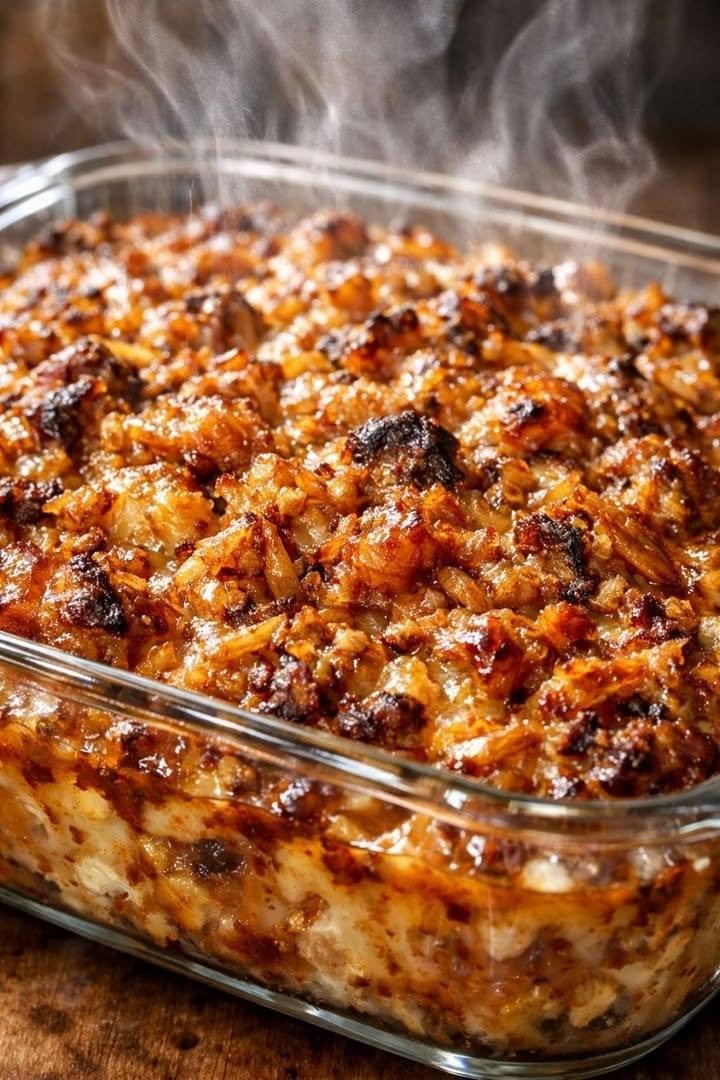
Step 1: Preheat and Prepare
Preheat your oven to 400°F (200°C). Line a baking dish or rimmed baking sheet with parchment paper or lightly grease it with a small amount of butter or cooking spray. A glass or ceramic baking dish in the 9×13 inch range works perfectly for this quantity of salmon, allowing the fillets to lie in a single layer without overlapping.
Step 2: Prepare the Cream Cheese Topping
In a small bowl, combine the softened cream cheese with the lemon juice and a generous pinch of salt and black pepper. If you are including garlic, dill, or any other optional seasoning, add them now. Mix everything together until smooth and completely combined. The mixture should be spreadable — if your cream cheese is still cold and stiff, microwave it for 15 to 20 seconds to soften it just enough to work with easily.
Step 3: Arrange the Salmon
Pat the salmon fillets dry with paper towels — this step is important because excess moisture on the surface of the fish prevents the cream cheese topping from adhering properly and can cause the topping to slide off during baking. Season the salmon lightly with salt and pepper on both sides. Place the fillets in the prepared baking dish in a single layer, skin side down if using skin-on fillets.
Step 4: Add the Toppings
Using a spoon or spatula, spread the cream cheese mixture evenly over the top surface of each salmon fillet, covering it in a generous, even layer. Do not be shy with the cream cheese — it is both the sauce and the flavor base of the finished dish, and a thin layer will produce a less satisfying result. Once the cream cheese is spread, sprinkle the shredded cheese generously over the top of each fillet, pressing it lightly into the cream cheese so it adheres rather than falling away during baking.
Step 5: Bake
Place the baking dish in the preheated oven and bake uncovered for 20 to 25 minutes, until the salmon is cooked through to an internal temperature of 145°F (63°C), the cream cheese has softened and melted into the fish, and the shredded cheese on top is golden and beginning to bubble at the edges. The salmon is done when it flakes easily when pressed gently with a fork and has lost its translucent appearance throughout. If you prefer a slightly more deeply browned cheese topping, switch the oven to broil for the final 2 minutes of cooking, watching carefully to prevent burning.
Step 6: Rest and Serve
Allow the dish to rest for 3 to 5 minutes after removing it from the oven before serving. This brief resting period allows the cream cheese sauce to set slightly and makes the portions easier to serve cleanly. Use a wide spatula to lift each fillet onto individual plates, leaving the skin behind in the baking dish if you used skin-on fillets.
What to Serve Alongside
The beauty of a dish this simple is that it pairs well with an equally simple range of side dishes, most of which require no more than 10 minutes of effort. A few reliable options:
Crusty bread or dinner rolls: Essential for soaking up the cream cheese sauce that pools in the bottom of the baking dish. Good bread alongside this salmon is not optional — it is mandatory
Simple green salad: A handful of mixed greens with olive oil, lemon juice, salt, and pepper takes 3 minutes to assemble and provides a refreshing, acidic contrast to the richness of the salmon
Roasted vegetables: If you have 30 minutes, toss whatever vegetables you have on hand — broccoli, asparagus, green beans, or zucchini — with olive oil, salt, pepper, and a squeeze of lemon, and roast them alongside the salmon in the same oven
Rice or mashed potatoes: For a more substantial meal that will feed a larger family gathering, a pot of steamed rice or a batch of mashed potatoes turns this into a complete, filling dinner that works even for the hungriest guests
Steamed or microwaved vegetables: For the truly zero-effort approach, a bag of microwaved frozen vegetables — peas, broccoli, or green beans — provides a green element on the plate with virtually no additional time or effort required
Tips for Making This Even Easier
Prepare the cream cheese topping the night before: The cream cheese mixture can be made up to 24 hours in advance and stored in an airtight container in the refrigerator. On the day of, simply remove it from the fridge 20 minutes before you need it to allow it to return to spreadable consistency
Use pre-portioned salmon fillets: Many grocery stores sell salmon in individually portioned fillets that are already the right size for serving. Buying these rather than a single large side of salmon eliminates the need to portion the fish yourself and makes the dish even simpler to prepare
Frozen salmon works perfectly: If you are working with frozen salmon fillets, thaw them overnight in the refrigerator rather than at room temperature for the best texture and food safety. Pat them completely dry before adding the topping, as thawed fish releases more surface moisture than fresh
Line your baking dish generously: A well-lined or generously greased baking dish makes cleanup significantly faster — an important consideration when you have family over and would rather spend time with your guests than scrubbing a baking dish
Pre-shredded cheese saves time: Using pre-shredded cheese rather than shredding your own is a perfectly acceptable shortcut for a busy day
Why Four Ingredients Is Enough
There is a tendency in home cooking to equate the number of ingredients with the quality of the finished dish — to assume that more ingredients means more flavor, more complexity, more effort well spent. This recipe is a convincing argument against that assumption. The four core ingredients here work together in a way that is genuinely complete: the salmon provides richness, depth, and protein; the cream cheese contributes a smooth, luxurious sauce and subtle tanginess; the shredded cheese gives the dish its golden, satisfying top layer and a savory saltiness that ties the whole thing together; and the lemon juice cuts through the richness of both cheeses with just enough brightness to make every bite feel balanced and clean. Nothing in this lineup is redundant, and nothing essential is missing. The simplicity is not a compromise — it is the point.
Making It Work for a Larger Crowd
If you are feeding a larger group of eight or more people, this recipe scales up effortlessly. Simply double the quantities of all four ingredients and use a larger baking dish or two standard-sized baking dishes side by side. The baking time remains essentially the same — 20 to 25 minutes — as long as the salmon fillets are roughly the same thickness. For very large gatherings where the salmon needs to feed ten or more people, consider presenting it alongside a pasta dish or a hearty salad to extend the meal without requiring a second protein preparation.
Final Thoughts
The best Good Friday recipes are not necessarily the most complicated ones. The best Good Friday recipes are the ones that actually get made — the ones that fit into the reality of a busy household during a busy week, that deliver genuinely good food without consuming the limited time and energy available, and that leave the cook free to focus on what actually matters during the holiday: the family gathered around the table, the shared meal, and the occasion itself. This four-ingredient salmon is that recipe. It is ready in under 30 minutes from start to finish, it requires no skill beyond the ability to spread cream cheese and operate an oven, and it will be received at the table with the same warmth and appreciation as dishes that took three times as long to prepare. Keep it in your back pocket for every Good Friday for years to come.
For Complete Cooking STEPS Please Head On Over To Next Page Or Open button (>)